Page Contents
What is Giant cell arteritis?
Giant cell arteritis or GCA or Horton disease is nothing, but an inflammatory disease involving the blood vessels, which carry blood rich in oxygen from the heart to the remaining body parts. Commonly, it affects the blood vessels of the head, especially the medium and large arteries, external carotid artery branches, in particular. So, when the temporal artery is involved, it is also referred to as temporal or cranial arteritis.
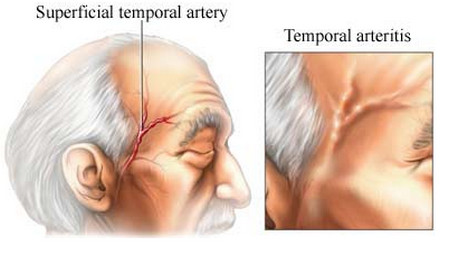
Picture 1 : Temporal arteritis (giant cell arteritis)
source : lifescript.com
Picture 2 : Difference between giant cell arteritis and normal artery
source : Davidson medicine
Quick GCA facts
- It generally occurs in elderly population, usually more than 60 years.
- It results due to inflammation of the arteries.
- If blood supply to the eye is affected by GCA, it can result in loss of vision. Prompt diagnosis and immediate treatment can prevent loss of vision.
- An artery biopsy can detect GCA.
- High-dose corticosteroids are the preferred treatment.
Arteries at a glance
- Arteries, the pliable tubes have thick and elastic walls.
- The deoxygenated blood after purification from the lungs gets oxygenated and leaves the heart through the aorta, to be supplied to various body parts.
- The aorta subdivides into certain smaller arteries, which supply blood to rest of the body parts, including the internal organs and brain.
Epidemiology
- Giant cell arteritis is not a common, age-related condition.
- One in each 4,550 individuals gets GCA in any year, in England.
- More common in females, F: M ratio = 3:1.
- More commonly seen in white individuals; it is seven times more than the blacks, especially in the Scandinavian countries.
Associated conditions
GCA co-exists with polymyalgia rheumatica, where a sudden onset of stiffness and pain is seen in the shoulder and pelvic region muscles. PMR and GCA are linked in such a way that they are considered as different manifestations pertaining to the same disease. Other diseases that bear a close relation are severe infections, rheumatoid arthritis and systemic lupus erythematosus.
Giant cell arteritis – Pathology
GCA is a form of vasculitis involving the medium and large arteries of neck and head. In rare cases, arteries under the aortic arch as well as veins are involved. Microscopically, arterial wall inflammation is mostly patchy and segmental in appearance, and is characterized by giant cells’ presence and mononuclear cells’ infiltration.
Causes of Giant cell arteritis
The exact cause is yet not known. However, it is believed that a combination of genetic along with environmental factors is held responsible for GCA.
Damage to the arterial wall lining:
- Especially, the internal elastic lamina is affected; but, the involvement of other layers is also seen. Ageing process might be the contributing factor.
Presence of HLA antigen in blood:
- This presence detects the genetic link to developing GCA.
Emotional disturbances:
- Highly stressful situations like grief or bereavement may sometimes trigger GCA.
Abnormal immune responses seen in blood and cells:
Immune complexes get deposited, i. e., protein compounds that get formed due to the combination of both antigen that trigger the immune system and the antibody that is the response of the immune system. These immune complexes possess a very powerful effect upon the various chemical reactions taking place in the body, and are also involved in several autoimmune diseases.
Giant cell arteritis – Symptoms
- Fever
- Bruits
- Fatigue
- Headache
- Persistent sensitivity and tenderness over the scalp (both temples). Some may experience pain in front area of head or only in single temple.
- Difficulty and pain while combing hair and laying head on pillow (due to scalp tenderness).
- Pain in the tongue when chewing (tongue claudication)
- Pain in the jaw when chewing (jaw claudication)
- Ringing in the ears (acute tinnitus)
- Sudden blindness (acute visual loss)
- Double vision (diplopia)
- Blurred vision (reduced visual acuity)
- Polymyalgia rheumatica (seen in 50% people)
- Unexplained and rapid weight loss
Risk factors
- Sex: Females are twice at risk of developing GCA than men.
- Age: GCA affects the elderly, and it is rarely seen in individuals below 50 years of age.
- Geography: Individuals born in European countries (Northern) develop giant cell arteritis at a greater rate.
- Polymyalgia rheumatica: Around 10-15 % of people suffering from PMR also develop GCA.
Tests and diagnosis
GCA may be difficult in diagnosing, as its early symptoms may bear resemblance to several commonly seen conditions.
Criteria for Giant Cell Arteritis from the American College of Rheumatology Classification
- The presence of at least 3 from the below-mentioned criteria indicates giant cell arteritis
- Patient with age 50 or more
- Newly seen localized headache
- Reduced temporal artery pulse or tenderness in the temporal artery
- ESR is equal to or greater than 50 mm/hr.
- Abnormality in the temporal artery biopsy
Physical examination:
- Physical examination pertaining to the temporal arteries is very important besides history collection.
- Palpating the head are may show prominent temporal arteries either with or without the pulse along with a cord-like appearance.
- The temporal are may show tenderness.
- Reduced pulse may be witnessed in the whole body.
- Fundal examination may reveal ischemia.
Blood tests:
Erythrocyte sedimentation rate:
- The red cells, which drop at a rapid pace, are the ones that indicate inflammation.
C-reactive protein:
- Its production from the liver increases in the body, when there is any inflammation present in the body. This test may also be utilized for keeping a track on the treatment progress.
Platelets:
- Platelet count may be elevated in GCA.
Liver function tests:
- Abnormal elevation in alkaline phosphatase is seen.
Biopsy:
It is considered as a gold standard in the diagnosis of temporal arteritis, where a tiny portion of the blood vessel is removed and examined microscopically for the tissue infiltrating giant cells. GCA affects blood vessels in a patchy manner, and hence, biopsy may be taken from the unaffected areas of blood vessels.
Unilateral biopsy having a length of 1.5 to 3 cm is around 85 to 90% sensitive (minimum 1cm). Even though, a negative result does not mean that GCA is ruled out, it is currently considered as the only acceptable confirmatory clinical diagnosis or one among the diagnostic criteria.
Imaging studies:
Used for both diagnosis and monitoring of treatment progress
1. MRI/angiography
- By using a contrast dye, the blood vessel images are taken.
2. Duplex ultrasound
- The sound waves produced take images of the blood flow via blood vessels, and a halo sign is yield.
3. Positron emission tomography or PET
- PET scan produces detailed blood vessel images as well as highlights the inflamed areas with the help of the IV tracer solution, which contains minimal quantity of a radioactive material.
Giant cell arteritis – Differential diagnosis
- Cluster headache
- Migraine headache
- Fever (Unknown Origin)
- Atherosclerotic disease involving the Carotid Artery
- Atherosclerosis
- Rheumatoid Arthritis
- Polymyalgia rheumatica
- Granulomatous angiitis
- Trigeminal neuralgia
- Takayasu Arteritis
- Wegener Granulomatosis
Treatment
Prompt treatment by giving corticosteroid medications provides relief from the GCA symptoms, and may prevent permanent vision loss. The treatment aim is to decrease the possible complications, and to get relief from the symptoms.
Steroid tablets
Usually, prednisolone is the main treatment. The mechanism of action of steroids is by reducing the inflammatory process.
Initial dose: 60 mg/day, and then reduced to a lower dose gradually (maintenance dose), over a course of few months or years. However, the maintenance dosage varies with individuals (around 10 mg/day).
Low-dose aspirin
Along with steroids, a low dose of aspirin daily is recommended (75 mg/day), as this helps in preventing strokes and heart attacks.
Proton pump inhibitor (PPI)
A combination of aspirin and steroid may increase the risk of stomach ulcer. Hence, it is recommended to take a drug that will reduce the amount of acid in the stomach, so that a bleeding stomach ulcer doesn’t develop. So, proton pump inhibitors act on the stomach cells and reduce the acid production.
Eg: Esomeprazole, omeprazole, lansoprazole, rabeprazole and pantoprazole
Drug for preventing osteoporosis
It is essential because,
Steroid tablet facts
- Steroid tablet should never be stopped from consuming all of a sudden, as this may cause serious withdrawal symptoms few days after being stopped.
- While taking steroids, take anti-inflammatory analgesics only with a doctor’s advice, as this may cause a stomach ulcer.
- Always keep a steroid card with you. This will keep you updated of the condition, steroid dose, etc. during emergency situations.
- In case of co-morbidities or surgery, the steroid dosage may have to be increased, though, for a shorter period, to withstand the physical stress.
Steroid tablet – Side-effects
Higher steroid dosages increase the risk of possible side-effects. Most of the problems are ceased on cessation of steroid treatment. The possible side-effects include:-
1. Osteoporosis:
- However, for preventing osteoporosis, a drug may be prescribed for protection purpose.
2. Infection:
- Infections like measles and chicken pox are very common.
3. Weight gain:
- Taking steroid increases weight gain as a result of fluid retention.
4. Hypertension:
- It is essential to keep monitoring the blood pressure.
5. Hyperglycemia:
- Steroids increase the blood-sugar level. So, it is essential to keep a track on the blood-sugar level, if you are not a known diabetic.
6. Skin problems:
- It includes poor healing, easy bruising, thinning skin and thin skin.
7. Mood cum behavioral changes:
- A feel-good factor is seen to be associated when patients with GCA take steroids. However, steroid therapy may even cause depression and various other mental illnesses, usually when a higher dose is taken. Certain withdrawal symptoms are even noticed on sudden cessation of steroid therapy, including confusion, irritability, suicidal thoughts and delusion. Medical advice should be sought at times of behavioral problems seen as a side-effect.
8. Muscle weakness:
9. Stomach and duodenal ulcers:
- Abdominal pains or indigestion may be warning signs of developing stomach ulcer.
10. Cataracts:
Giant cell arteritis- Do’s and don’ts
- A strict ‘no’ to smoking and alcohol consumption.
- Consume additional vitamin D and calcium.
- Do exercises like brisk walking or weight-bearing exercises.
- Do bone mineral density test or DEXA scan for monitoring the bones and its density
Giant cell arteritis – Emerging treatments
Many researches are being conducted to find out treatments that work along with the corticosteroids, but with less side-effect. One such drug is methotrexate that is commonly used for treating inflammatory conditions like rheumatoid arthritis and certain type of cancers.
The estimated result is that with the use of both prednisone and methotrexate for treating patients with GCA, it may be possible to utilize less prednisone. However, the preliminary results of the research are conflicting. Hence, more studies need to be conducted to gather sufficient evidence.
Giant cell arteritis – Prognosis
A full recovery may be attained, but treatment may last for 1-2 years or even more.
There are even chances of recurrence in the later stage.
Complications
Aortic aneurysm:
GCA increases the risk of developing aortic aneurysm. This is a life-threatening complication, if the aneurysm bursts, thereby causing internal bleeding. This can occur many years post diagnosis of giant cell arteritis; hence, appropriate monitoring of the health aorta is necessary, using the chest x-rays, ultrasound, MRI or CT.
Blindness:
It is the most serious, as the blindness caused is permanent. The swelling as a result of GCA narrows the arteries, which reduces the quantity of blood; hence, it reduces the vital nutrients and oxygen reaching the tissues of the body, resulting in arteritic anterior ischemic optic neuropathy. Therefore, a decreased blood flow to the eyes may result in sudden but painless loss of vision in single eye, and rarely in both eyes; hence, blindness in both the eyes is considered as a medical emergency.
Stroke:
Stroke is not a common complication. It is caused by clot formation in an artery that causes a complete obstruction of the blood flow, resulting in deprivation of necessary nutrients and oxygen.
Lifestyle modification and home remedies
To cope up with the resultant side-effect of treatment,
- Consume a healthy and balanced diet:
This will help in preventing problems like osteoporosis, hypertension, and diabetes. Hence, eat fresh fruits as well as vegetables, lean meat, fish, whole grains, and minimize the usage of sugar, salt and alcohol. Experts suggest taking 1,000 -1,500 mg calcium daily and 800 IU of Vitamin D every day.
- Do exercise regularly:
Aerobic exercises like walking (initially 30 min.) helps in bone loss prevention, and maintenance of blood-sugar level and blood pressure. Apart from this, it also benefits the lungs and heart, mood and well-being.
References
http://www.mayoclinic.com/health/giant-cell-arteritis/DS00440/DSECTION=symptoms
http://en.wikipedia.org/wiki/Giant-cell_arteritis
http://www.ncbi.nlm.nih.gov/pubmedhealth/PMH0001484/
http://www.nhs.uk/conditions/giant-cell-arteritis/Pages/Introduction.aspx
http://www.rheumatology.org/practice/clinical/patients/diseases_and_conditions/giantcellarteritis.asp
http://emedicine.medscape.com/article/332483-differential
http://www.patient.co.uk/health/Temporal-Arteritis.htm
http://www.medicinenet.com/polymyalgia_rheumatica/article.htm
http://www.aafp.org/afp/2000/0401/p2061.html
http://www.netdoctor.co.uk/diseases/facts/giantcellarteritis.htm