Page Contents
What is a seizure?
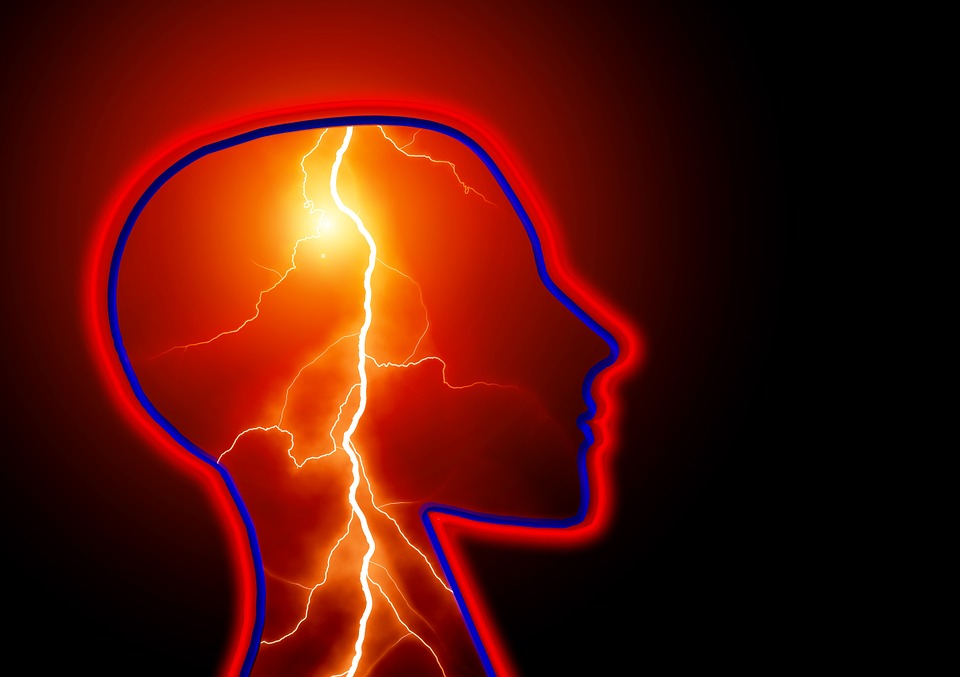
Our body normally produces cerebral neurons and if cases of too much and sudden discharges of these neurons, seizures can take place. Generally, seizures are defined as an atypical occurrence of sensory, motor and autonomic activities. Moreover, a combination of these atypical activities is also possible. In less severe cases, only a part of the brain is affected; however, there are times when all parts of the brain are involved. Internationally, seizures are classified into two key types: the partial seizure and the generalized seizure. In addition, unclassified seizures are being called due to lack of sufficient data to support an accurate diagnosis. Moving on, the exact cause of seizure is non-definite to all individuals. It can vary from one case to the other, however, it can be sorted out into two main types: idiopathic (unknown cause) and acquired. However, the core reason of seizures is generally a disturbance of the electrical impulses in the nerve cells of a particular region of the brain. Subsequently, the nerve cells will then give off abnormal, inveterate and uncontrollable electrical discharges. The clinical manifestations of seizure will then appear resulting from these events.
Types of seizures
In general, as mentioned above, there are two main types of seizure, which are the partial seizure and generalized seizure. Partial seizure usually originates on one particular part of the brain. Partial seizure is further categorized into simple partial seizure, complex partial seizure and lastly, secondarily generalized seizure. The two former types will be discussed in the following section. Whilst, secondarily generalized seizure will be briefly defined as a seizure that originally starts at a certain part of the brain, but due to rapid progression, the seizure is barely noticed, thereby the spread to all parts of the brain occurs; hence, the term secondary. At this juncture, let us now proceed to generalized seizure. Generalized seizure has the both hemispheres of the brain affected. Generalized seizure is further categorized into absence seizure, atypical absence seizure, myoclonic seizure, tonic seizure, clonic seizure and tonic-clonic seizure.
Absence, tonic clonic and atonic seizures will be discussed thoroughly in the following sections, along with febrile seizure, non-epileptic seizure and nocturnal seizure. Anyhow, atypical absence seizure commonly manifests with the patient staring (common in absence seizure) for more or less ten seconds, however the patient is to some extent, responsive. Myoclonic seizures, on the other hand, manifest as brief and rapid shock-like movements of the muscle or even involving muscle groups. Typically, a rapid jerking and twitching of muscles occur in this type of seizure.
Moving on, a tonic seizure essentially affects the tone of the muscles. Muscle tone is the customary tension of the muscles when at rest. What happens in tonic seizure is that the muscle tone is massively increased, thereby producing a sudden stiff movement of the arms, legs and other parts of the body. Usually, episodes of tonic seizure occur when the patient is asleep. Lastly, the clonic seizure is in simple terms, the repetitive and rhythmic jerking of the arms and legs or both. Clonus, by the way, is the relaxation and contraction of the muscle in a rapid and alternating manner.
Epileptic seizure
In general, a seizure is the primary presenting symptom of epilepsy. Epileptic seizure is a seizure that has a well-defined onset, middle and end of an episode. Characteristically, epileptic seizures are a cluster of signs and symptoms that are recurrent and unprovoked. Moreover, epileptic seizures may be primary or secondary. Primary ones are idiopathic in nature; meaning, the cause is not known. Secondary ones, on the other hand, are with a known cause. Moreover, the epilepsy in this kind is a manifestation of an underlying disease condition such as tumors of the brain. Between the two types, the unknown (idiopathic) cause is mostly the case in epileptic patients. Furthermore, epileptic seizures more often than not, come about in the childhood period. However, it can affect the people of all ages. Additionally, the chances are leaning to the male population as the more affected sex than females.
Simple partial seizures
Simple partial seizure only involves or affects a certain region of the brain. The clinical manifestations of simple partial seizure from one individual to another vary, depending on the specific area of the brain affected. However, the common clinical manifestations that can be observed in a simple partial seizure are as follows: the patient may experience shaking of the hands, fingers or both. An uncontrollable jerking of the mouth may also be noticeable. The patient might also feel dizziness. However, the patient remains awake or alert and there is generally, no loss of consciousness. The sign and symptoms may come off very briefly and rapidly, that sometimes patients may hardly notice they already had an episode of seizure. A simple partial seizure episode roughly lasts for about two minutes only.
Complex partial seizures
Perhaps, the main differentiation between simple and complex seizure lies on the patient’s consciousness. As mentioned earlier, there is no loss of consciousness in simple partial seizure. In complex partial seizure, on the other hand, a loss of consciousness is usually experienced. Oftentimes, the episode is usually preceded by an aura. An aura may come in the form of dejavu and disturbance in vision among others. A complex partial seizure may last for about 30 seconds or even up to two minutes. In addition, a complex partial seizure can progress to secondarily generalized seizure.
Grand mal seizure
Grand mal seizure is also known as tonic clonic seizure. In general, the patient loses consciousness and an intense and severe muscle contraction occurs all over the body. Usually, unconsciousness precedes the severe muscle contractions. There are cases when patients have an aura before the actual episode occurs. However, not all patients have this. Commonly, fatigue and feelings of confusion happens after a grand mal seizure episode.
Absence (petit mal) seizure
Absence or petit mal seizure is commonly characterized by staring into space with or without accompanying jerking of the muscles of the eyes. Moreover, the patient may transfer from one location to another without any purpose or reason behind in doing so. The patient remains conscious but there is an alteration of normal pattern of responsiveness and awareness; hence, the term “absence”. In addition, the clinical manifestations occur very rapidly, lasting only for about ten to twenty seconds. Furthermore, absence seizures may be classified into two: simple and complex. Simple absence seizure only occurs with staring. The complex absence seizure, on the other hand, involves the alterations in muscle activity.
Febrile seizure
Febrile seizure is a common seizure occurrence in children. Basically, a rise in temperature outside the normal range occurs. Furthermore, this febrile seizure is categorized into three, namely simple, complex and symptomatic febrile seizures. A simple febrile seizure is not caused by brain-related diseases, there is no neurological impairments evident in the child, the generalized seizure lasts for a maximum of fifteen minutes and the child’s age ranges from six months up to five years. A complex febrile seizure, on the other hand, is pretty much the same as the simple type, except that the fever is lasting for more than fifteen minutes and the seizures occur in close intervals. Lastly, the symptomatic febrile seizure also resembles the simple type; however, there is an underlying neurologic impairment of the child.
Tonic clonic seizure
Tonic clonic seizure is otherwise known as grand mal seizure, which has already been discussed earlier.
Atonic seizures
Atonic seizure is also called drop or akinetic seizure. As explained above, muscle tone is the customary tension of the muscles when at rest. The prefix “a” in atonic means the absence of muscle tone. This absence causes the patient’s eyelid to droop, the head or neck to drop and subsequently, the patient’s body itself to drop on the floor. However, the patient exhibits no loss of consciousness. Additionally, an atonic seizure occurs for roughly fifteen seconds.
Non epileptic seizures
Non epileptic seizure is sometimes referred to as dissociative seizures. Non epilpetic seizure closely resembles an epileptic seizure. However, the big difference lies on the cause of seizure. Primarily, a non epileptic seizure is not caused by a disturbance in the brain’s electrical activity, unlike in the case of epileptic seizure. Essentially, non epileptic seizure may be categorized into psychogenic and organic non epileptic seizures. Psychogenic seizures have an underlying psychological cause. This psychological cause may be a traumatic event. In here, a patient’s personal thoughts have apparently a great influence on how the brain works. Organic non epileptic seizures, on the other hand, have the physical aspect as its underlying cause. Along with physical causes, fainting and metabolic disorders can also cause organic non epileptic seizure.
Nocturnal seizures
Nocturnal seizure occurs when the patient is sleeping. It can occur in any part of the sleeping period. The patient may not be knowledgeable that he/she already had a seizure episode. However, this can be identified due to the headache the patient experiences after awakening. It can affect both children and adults.
Seizure Causes
Generally, a seizure is caused by a disruption in electrical activities of the brain. This can be precipitated by trauma to the head, genetic factors and infections of the brain. However, there are many cases when seizures have an unknown cause (idiopathic).
Seizure in babies
Seizure in babies may be caused by underlying conditions. For instance are stroke, diabetes, epilepsy and trauma among others. A rare cause of seizure in babies is poisoning and meningitis. Moreover, an increased in temperature that is way more than the normal range is a common cause of seizure in babies. In addition, genetic conditions such as tuberous sclerosis can possibly cause a seizure in babies.
Seizures in children
Just like the seizure in babies, underlying conditions such as stroke, diabetes, epilepsy and trauma can cause seizure in children. Aside from that, developmental problems such as cerebral palsy, among others can cause the seizures in children. However, the cause of these seizures is, by and large, unknown or idiopathic in nature.
Seizures in adults
Although there are still seizures in adults that have an idiopathic or unknown cause, a fair number of causes have already been identified. For instance, withdrawal from abuse of addictive substances and alcohol can cause an adult to have episodes of seizure. Moreover, metabolic disorders and genetic predispositions can also cause seizure in adults. Underlying conditions such as meningitis, head trauma and tumors of the brain can possibly cause seizure as well. Lastly, aging is also one of the causes.
Seizure in dogs
The most common cause of seizure in dogs is epilepsy. Other common causes are tumors of the brain, kidney failure and trauma among others.
Seizure Symptoms
Seizure symptoms are generally the subjective manifestation of the condition.
Partial seizure symptoms
The most evident symptom of partial seizure is that the patient remains conscious. Another common symptom is the abnormal sensations by the sensory organs. Lastly, there are jerking and twitching of muscles or muscle groups.
Complex Partial seizure symptoms
The most evident symptom of complex partial seizure is the loss of consciousness. Symptoms of this also include involuntary and recurring muscle movements.
Tonic seizure symptoms
Generally, the most evident tonic seizure symptom is muscle stiffness.
Petit mal seizure symptoms
The most evident symptom is a very brief loss of consciousness.
Dog seizure symptoms
Dog seizure symptoms consist of four stages. The prodome stage is the behavior change of the dog for hours or even days. The aura stage constitutes the restlessness, nervousness, whining and apprehension of the dog among others. The ictal stage shows the intense physical activities of the dog. Lastly, the post ictal stage shows the confusion and disorientation of the dog.
Signs of a seizure
The signs of a seizure are generally those manifestations that can be observed by another person. The most common signs of seizure are the stiffness of the muscle, the sudden jerking movements, staring of the patient into blank space (absence seizure) and the falling of a patient to the ground (atonic) among others.
Seizures Treatment
Seizure treatment is individualized. Meaning, it varies from one person to another. A comprehensive assessment is done in order to determine the best seizure treatment option for a particular patient. Seizure treatment includes pharmacologic therapies or medications and surgical managements. Surgical operation involves the removal of the part of the brain that specifically causes such seizure.
Seizure Medications
There are a lot of available medications for seizure in the market nowadays. Usually, a single medication is started as a beginning dose. A possibility of changing medications can occur when the patient is not responsive or adverse side effects occur. The common seizure medications are listed below:
- Carbamazepine – The drug of choice for partial and tonic clonic seizures.
- Ethosuximide – Primarily utilized to treat absence seizures.
- Levetiracetam – Used in combination with other drugs for epilepsy to treat partial seizures.
- Oxcarbazepine – Primarily utilized to treat partial seizures.
- Diazepam – Utilized as a short-treatment encompassing all the seizure types.
References
http://www.epilepsy.com/epilepsy/types_seizures
http://emedicine.medscape.com/article/1183962-overview
http://www.mayoclinic.com/health/grand-mal-seizure/DS00222
http://www.epilepsysociety.org.uk/AboutEpilepsy/Associatedconditions/Non-epilepticseizures
http://www.webmd.com/epilepsy/guide/types-of-seizures-their-symptoms