Page Contents
According to the Center for Disease Control the West Nile Virus or WNV is a serious disease. Experts regard WNV as a recurring outbreak that hits North America usually around summer and goes on until fall. PubMed Health says the West Nile Virus is a disease that is transmitted by mosquitoes and people get infected through mosquito bites. Infection happens when a mosquito bites a person infected with WNV then flies off to bite another.
Basic Transmission Cycle
Medical investigations have established that WNV outbreak started in 1937 in Uganda, Africa which is the West Nile area. As years passed animals including people have become victims of this disease. Currently the West Nile Virus is wrecking havoc in the US. An article from the Colorado State University expressed that the basic cycle of how the virus is spread starts when an infected mosquito bites an uninfected bird.
As the now infected bird migrates to another place it will also be bitten by mosquitoes in the area which in effect that mosquito becomes yet another carrier of the virus. As mosquitoes bite other animals the transmission cycle swells so big it results to an outbreak.
NOTE : Culex pipiens (the common house mosquito) is a species of mosquito belongs to family Culicidae. It is a vector of few diseases, such as meningitis, Japanese encephalitis, and urticaria. In USA, it can also spread West Nile virus.
Picture of a Culex pipiens mosquito; SOURCE: CDC
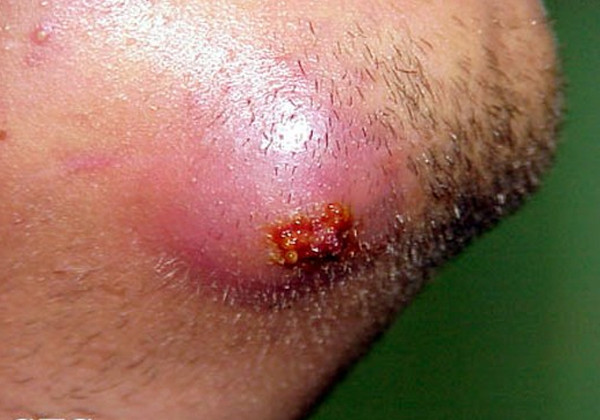
The appearance of rashes when infected with WNV
There are several symptoms of the West Nile Virus. Unfortunately these are common symptoms for other diseases as well. Therefore the only way to be sure that it really is a WNV infection is through clinical tests. One of the symptoms that should raise alarm is the occurrence of rash. From the journals of Oxford University rash was found to be a common happening in all patients whom the researchers were able to get information from.
Other studies on the other hand have also shown that not all patients may get rash as a symptom for WNV and experts want a further and deeper study of the occurrence of rash. The Oxford University article concluded that WNV infection may be suspected when between late Spring to Autumn someone suddenly gets a fever and rashes also appear.
Characteristics of rash in relation to WNV
The Oxford journal further describes that patients who participated in the research regarding the occurrence of rashes with WNV shows that rashes commonly appear on the head, neck, the trunk, including both the upper and lower extremities. However there is no determined pattern of emergence or specific form of the rash in relation to the West Nile Virus.
Other symptoms of WNV
The severity of the disease ranges from mild to severe. Meanwhile other than the occurrence of rashes the article from PubMed Health lists other symptoms for mild cases of the West Nile Virus infection as the following:
- Stomach ache
- Loose bowel movement or diarrhea
- High body temperature accompanied with headache, nausea, and vomiting
- Loss of appetite
- Sore throat
- Swollen lymph node, and
- Muscle pains
The report further describes that while symptoms for mild infection of the West Nile Virus usually last between three to six days severe form of the disease develops complications like encephalitis or meningitis which could potentially lead to death. Depending on which body part is affected WNV encephalitis or meningitis symptoms are:
- Not being able to think clearly
- Losing consciousness and possibly going into coma
- General body malaise
- Stiffness in the neck
- Muscle weakness on one arm or leg
When any of these signs occur the patient’s life is in possible danger and should be given medical attention the soonest possible time.
West Nile Virus differential diagnosis
Differential diagnosis is defined as a systematic method of establishing what disease a patient has especially when the symptoms being manifested are not unique which means several other diseases show the same physical warning signs. This is one of the challenges of the WNV.
That is why it is very important that a differential diagnosis should be conducted. Medical professionals run differential diagnosis by conducting clinical tests where the most accurate result would be through a serology test. This test looks for presence of antibodies against the West Nile Virus in blood samples or cerebrospinal fluid (CSF) samples.
Other tests
Aside from serology tests PubMed Health listed that patients suspected with WNV could also undergo:
- CBC or complete blood count. Other than an increased number of antibodies a positive result for RNA or ribonucleic acid test is a high indicator for WNV.
- Laboratory tests on the head like CT scan, MRI scan, EEG. According to a write up from the Mayo Clinic these tests will determine if the brain is starting or is already swelling.
- CSF testing or the spinal tap. This is to check if the body is fighting an infection in the brain.
- PCR or polymerase chain reaction test. According to CDC or the Centers for Disease Control and Prevention if the virus is present in the patient it could be identified by extracting its genetic material through PCR.
Other investigations
The virus is known to be potent in hot weather but will die off during the colder days. However investigations have revealed that smatterings of WNV infection cases occur even during early winter. This is something the medical world is currently looking into since the virus is known to thrive only in hot days and not during the cold winter season.
Who are at risk?
Just by being outside is already a risk of getting the virus but CDC says the most susceptible people are those who are over fifty years old. Since the condition of this age group is fragile they are also usually at risk of going down with a severe case of WNV. It should be noted though that people with weak or weakened immune system no matter what age they are will also be at high risk of developing severe WNV disease. What are the chances of getting sick with WNV
Most people infected with the disease do not even get sick of the West Nile Virus. Those who have been mildly infected most of the time recover fully after having received proper nursing care. The chance of developing a serious case of WNV encephalitis or meningitis may be low but it is still a reason for concern. The likelihood of going down with severe WNV should never be taken lightly because this disease could be fatal to the patient.
Treatment for WNV
As of this writing there has been no established or specific treatment for this particular disease. The available vaccine is also only for horses. Coming up with vaccine for humans is still in the process. Medical studies have shown that antibiotics will not treat the body against WNV basically because the disease is caused by a virus.
The safest way is to seek immediate medical attention once signs of the disease manifest during the seasons where the West Nile Virus is virulent and especially when the manifestation is that of severe WNV.
Preventive measures
The best way to combat the disease is to prevent it. The Health Department and CDC recommend eliminating the breeding sites. Mosquitoes breed in standing water therefore any place where water may gather should be emptied. Check out roof gutters, old tires, or any unused container left lying around gathering water.
Birdbaths and pools should be changed soon and often ideally every two weeks. Community spraying on mosquito breeding areas is also very helpful. For protection against mosquito bites health care professionals recommend applying mosquito repellent with active ingredients that have been reviewed and approved by EPA or the Environmental Protection Agency.
The concentration of these active ingredients will also depend on the time when the person goes out and mosquitoes are most prevalent. However care should be given when applying these repellent on kids and babies especially on the hand as kids will always put their hands in their mouth.
Myths versus Facts
The first tall tale about the West Nile Virus is that there is nothing anyone can do about the disease because mosquitoes are everywhere. The truth is there are a lot of things that everyone can do to prevent an outbreak. First of these preventive measures is to live a healthy lifestyle. Keeping your body healthy though not the only solution is still very helpful in combating the disease. The second is to keep your environment clean.
Eliminating the breeding area of mosquitoes will lessen the exposure to the disease. Another false story about this disease is that children are the ones who are most susceptible. The fact is the elderly have the highest WNV mortality rate but this fact should not become a reason for being careless and not give extra protection and care to children and adults against mosquitoes. It is also not true that repellents with DEET are unsafe. According to CDC DEET is EPA approved and totally safe for use. However there are other products that are EPA approved that could be useful to repel mosquitoes too.
Facts about pregnancy and WNV
A lot have been said about the transmission of the virus in pregnant or nursing women to their babies. A study conducted by the Public Health of Canada asserts that pregnancy does not increase the risk of acquiring the disease. Moreover the few known cases where a pregnant woman manifesting mild symptoms of the disease who may have passed the virus on to the unborn baby is still inconclusive. On the other hand since the risk of transmission from a pregnant woman to her unborn child is not totally impossible either it is best to take extra care from mosquito exposure and consult with health providers regarding the disease. The CDC also cites one known case of West Nile Virus transmission through breastfeeding but the child was healthy and did not develop any symptoms of the disease.
Handling dead birds
When someone finds a dead bird make sure to use gloves in handling it. Do not ever use bare hands. Moreover contact the CDC or your local health service to ask help on how to properly dispose of the carcass. Informing the health department in your area is important because they would be able to log the incident.
What to do when you develop symptoms
Healthy people that will manifest symptoms of West Nile Virus infection will generally recover from the sickness while treated at home but they can always choose to contact their doctor and get treatment in the hospital. Just remember once symptoms of the West Nile Virus appear always call your doctor so that lab tests could be performed and the patient as well as the care giver will be given proper instructions on how to deal with the condition correctly.
Know the WNV hotline in your area as well. For example the people of Alberta Canada has a 24/7 health link to call for West Nile Virus concerns which is 1-866-408-5465. Always remember that it is best to be ready with the family doctor’s number as well as the number of the nearest hospital in your area. Being prepared with these hotlines is essential so that you or anyone in your family can easily make a call in case of a WNV emergency.
References:
- CDC and Prevention. Page last updated: August 30, 2012. West Nile Virus: What You Need To Know CDC Fact Sheet. Retrieved from http://www.cdc.gov/ncidod/
dvbid/westnile/wnv_factSheet. htm#do
- West Nile virus. Last reviewed: September 15, 2010. In PubMed Health. Retrieved from http://www.ncbi.nlm.nih.gov/
pubmedhealth/PMH0004457/
- Peairs, Frank B. (Updated Thursday, June 28, 2012). Frequently Asked Questions About West Nile Virus and Mosquito Management. Retreived from http://www.ext.colostate.edu/
westnile/faq.html
- Ferguson, Dayna D., Gershman, Ken., LeBailly, Adrienne., Petersen Lyle R., Characteristics of the Rash Associated with West Nile Virus Fever, Clin Infect Dis. (2005) 41 (8):1204-1207.d
oi: 10.1086/444506. http://owl.english.purdue.edu/ owl/resource/560/10/
- Mayo Clinic staff. Published June 26, 2010. Tests and Diagnosis. Retreived from http://www.mayoclinic.com/
health/west-nile-virus/ DS00438/DSECTION=tests-and- diagnosis
- CDC and Prevention. Page last updated: August 30, 2012. http://www.cdc.gov/ncidod/
dvbid/westnile/wnvmyths.htm
- Public Health Agency of Canada. Related to pregnancy http://www.phac-aspc.gc.ca/wn-
no/preg-gros-eng.php
- Centers for Disease Control and Prevention. Page last updated: August 27, 2012. West Nile Virus, Pregnancy and Breastfeeding. Retrieved from http://www.cdc.gov/ncidod/
dvbid/westnile/qa/ breastfeeding.htm
- Differential Diagnosis. ( n.d.). In WordNet Search 3.1. Retrieved from http://wordnetweb.princeton.
edu/perl/webwn?s=differential% 20diagnosis