Page Contents
What is a Pinched Nerve?
By definition, a pinched nerve happens the nerves are compressed or there is too much pressure applied on by the surrounding tissues, cartilage, bone, muscles and or tendons. It causes pain and tingling sensation to the person who has it. Also, the nerve’s function is disrupted delaying transmission of signals to and from the brain.
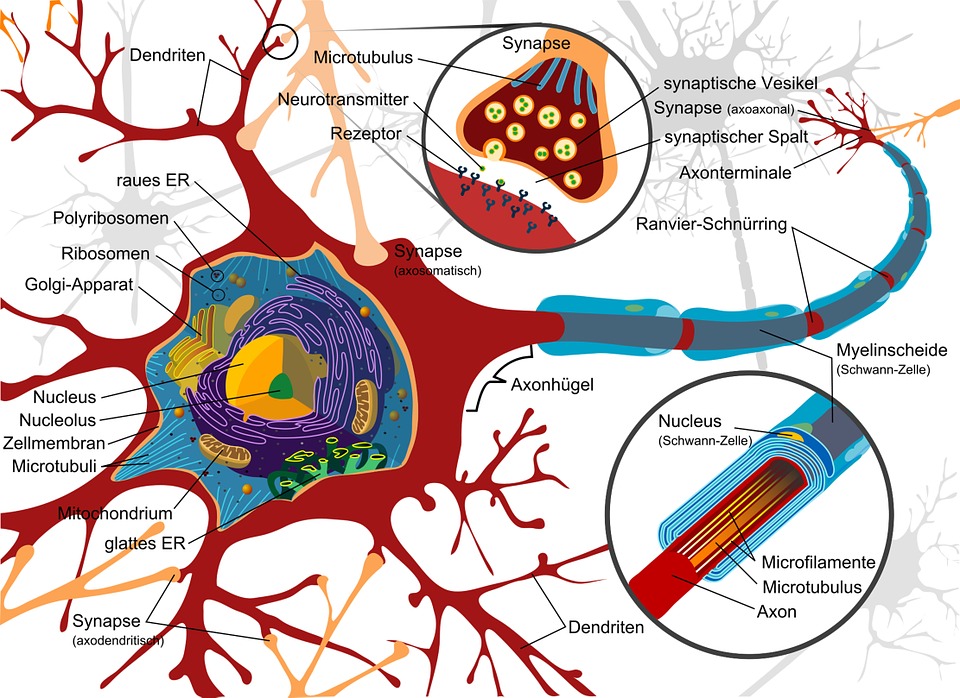
The nerves have significant functions in our body because they are the ones responsible for transmission information by the use of electrochemical signals. There are basically 2 categories of nerves which are the efferent or the motor nerves and the sensory or afferent nerves. The motor nerves are responsible for carrying the information from the brain to the body. These information send commands the muscles to move. The sensory nerves are the ones who bring the information back to the brain for processing thus a person is able to know if it is painful, hot or cold and other sensations.
Symptoms of Pinched Nerve
Pinched nerve affects different body parts like the back, wrist, shoulders, arms and areas. Commonly, the symptoms of pinched nerve would include:
- Numbness
- Tingling sensation or a person will feel as if “pins and needles” as inserted into the affected area
- Burning sensation
- Pain radiating from the
Pinched nerve in neck
Pinched nerve can happen in different places. One body part is the neck. This can be due to a compression of the nerve because of the calcification or hardening of the tissues that surrounds the cervical area of the spine. Also an inflammation because of infection due to injury in the neck area can also cause pinched nerve. Thus, pain and decrease in sensation is felt in the neck area.
Pinched nerve in neck symptoms
A pinched nerve in neck symptoms would exhibit pain in the neck area. Sometimes the pain radiates to the surrounding area like the shoulder or arms. Sensation is decreased and weakness and there is feeling of numbness. Sometimes a person will feel as if pins are inserted in their neck. These symptoms can be misinterpreted as heart attack or vascular problem but patients are reminded not to self diagnose. Doctors can diagnose pinched nerve by having x-rays or CT scans and even some physical exams in the neck area.
Pinched nerve shoulder
The pinched nerve in the shoulder area affects the cervical spines. The nerves from C5 to C8 either compressed or there is too much pressure. Pinched nerve in the C5 area affects the shoulder and the deltoid. C6 pinched nerve affects the persons thumb radiating to the shoulder area. C7 pinched nerve affects from the shoulder to the middle finger and in C8 pinched nerve, a person will feel pain from the pinky finger to the arm area.
Pinched nerve in shoulder symptoms would include numbness where patients would feel as if they lost their shoulder as well as pain and body weakness.
Pinched nerve in arm
Pinched nerve in the arm involves tingling sensation or paresthesia but it often starts in the shoulder radiating to the arms. The wrists and fingers are also affected with the thumb and pointing finger the ones commonly affected. Pain is widely felt in the arms followed by a numb feeling. Muscle spasms, twitching and even cold sensations are felt in the hands when having a pinched nerve.
Thus, pinched nerve in the arms would mean possible complications like carpal tunnel syndrome, tennis elbow or sciatic will occur if not addressed properly.
Pinched nerve in back and lower back
When a patient has pinched nerve in the back or the lower back area can be related to certain conditions like arthritis, bone spurs or spinal stenosis. The nerves are compressed making it difficult for the transmission of information to and from the central nervous system. Thus, pain in the back can be felt. When the pinched nerve is located at the lower back, the pain and tingling sensation radiates to the lower hips and eventually to the extremities.
Pinched nerve in hip
When a person experienced pinched nerve on the hip, the symptoms felt are different from that of a muscle pain. Generally, numbness is felt on the hips and tingling sensation as if pins and needles are inserted in the hip area is also experienced. Sometimes, a person will have difficulty walking especially when the pinched nerve is at the lower back because it radiates to the hips and to the lower extremities.
Pinched nerve in spine
Pain is often associated when pinched nerve in spine is involved. Specifically, it is called the “radicular pain” or nerve root pain. The pain is sharp or can be dull and it affects the lower back most of the time. L5 and S1 are the two most common affected site of the pinched nerve wherein it could cause numbness and muscle weakness in the body.
Pinched nerve in foot
Pinched nerve in foot can be accounted for many reasons like overuse of the leg, trauma, infection, inflammation causing the nerves to be compressed. One of the most common pinched nerves in leg symptoms would be the numb feeling on the affected leg. Movements will be minimal or difficult at all. Also, twitching of the leg will also be felt making the person prone to injuries. Burning sensation as well as tingling sensation that extends to the knees, foot and toes will also be felt by the patient.
Pinched Nerve Treatment
Medical professionals would treat the pinched nerve conservatively. They would first know where the pinched is located and then they would suggest treatments for pinched nerve depending on the site of the problem. Basically, they would ask the person to stop all their activities to do some rest because continuous movement could aggravate the problem. Also splints would be likely used depending on the location of the problem. If the area is highly movable or bendable, then splints would be used to avoid further injury.
How to Treat Pinched Nerve
- Medications- physicians would recommend taking of NSAIDs or non-steroidal anti-inflammatory drugs to help relieve the pain felt because of the pinched nerve. Also, corticosteroid injections would be given to minimize pain and decrease the inflammation.
- Physical therapy- exercises that would help stretch and strengthen the muscles can help decrease the pressure on the affected area.
- Surgery- when the problem continues for months, surgeries may be done to take the pressure off the affected nerve. Surgeries may include correction of the herniated disk, removing a carpal ligament or completely removing the bone spur.
- Alternative treatments- these include acupuncture, chiropractic or massage can help decrease the pressure of the affected area.
Pinched Nerve Remedies
- Having a good posture
- Avoid strenuous activity because this increases the pressure on the affected area
- Application of hot or cold compress. This helps alleviate pain and tingling sensation on the area
- Massage helps loosen the muscle thus relieving the pressure on the site.
- Taking honey and cinnamon are also another pinched nerve remedies because it helps decrease the amount of pain felt on the affected site.
References:
http://www.medicinenet.com/pinched_nerve/article.htm
http://www.mayoclinic.com/health/pinched-nerve/DS00879/DSECTION=treatments-and-drugs