Page Contents
What is Sun poisoning Rash?
Sun Poisoning rash is recognized as the inflammation of the skin after it has been overly exposed to ultraviolet radiation that it emitted from the rays of the sun. In other cases, the inflammation is due to prolonged exposure to a sun lamp or commonly known as a tanning bed. On the other hand, UV radiation has also been discovered to be able to cause eye damage especially if the UV light has been directly pointed to the eye.
Sun poisoning rash has been discovered to be rampant in the United States especially because Caucasians have lighter skin color which means less melanin that can protect their skin from the harsh effects of the sun. Majority of the population affected by this case are children who are often overly exposed to the sun especially in the summer.
Take special note that sun poisoning rash is also a predisposing factor to other skin problems including early skin aging, and skin cancer. Overexposure of the eyes to ultraviolet radiation can also lead to the development of eye problems including macular degeneration as well as cataracts. These are only among the many possible permanent damages of sun poisoning rash that a person can incur, which is why it is very important that one should always be ready when you know that you are about to be exposed to extreme sunlight.
Ultraviolet light is the culprit for sun poisoning rash which is why additional information should be understood as a way of prevention as well. This type of light is radiated by the sun but can also be acquired from other artificial sources today including tanning beds which are often found in tanning salons. There are three different types of UV light; UV-A, UV-B, and UV-C. The distinction of these UV radiations lies on their ability to penetrate the atmosphere covering the earth. UV-A and UV-B are only the types that can enter the atmosphere. Although the two types are both dangerous, it has been discovered that UV-B is the actual cause of skin damages including sun poisoning rash and skin cancer.
The safest time of the day to be exposed to sun but still with enough protection to avoid acquiring sun poisoning rash is before and after 10 am up to 3 pm; because this is the time when the UV rays are at their peak of concentration.
Sun poisoning rash Symptoms
Sun poisoning rash is usually not detected right away due to the fact that its symptoms are also present in other more common problems.
Symptoms include:
- Skin rashes: The most visible symptom of this condition is Skin rash. These sun allergy rashes appear as a reaction of body against sun rays. They appear as red and small patches over skin and are elevated painful and itchy.
- Fever or the elevation of the core body temperature to more than 37 degrees Celsius.
- Nausea which is a sensation elicited by the stomach as if wanting to release its contents. This symptom is often times accompanied by vomiting especially if the person experiencing the nausea is not able to control it.
- Chills which often leads to the occurrence of a fever. Chills are characterized the feeling of becoming very cold that sends out a shivering movement.
- Dizziness, this is often the cause of the nausea and vomiting episodes. It is also sometimes accompanied by the feeling of being lightheaded.
- Dehydration which means that the body does not have enough water to make it function to its normal potential. Sometimes, this is also caused by excessive vomiting. Also, in skin rash, water from the skin evaporated because of excessive heat from the sun.
- Shock due to insufficient blood flow to the other parts of the body, thus, leading to the lack of oxygen that is supplied to the body tissues resulting to hypoxia.
- Rapid pulse and respiration
- Severe blisters on the skin which is the hallmark sign of sun poisoning rash.
Sun Poisoning Rash Pictures
Picture 1: Sun poisoning rashes over chest photo
Image source : tandurust
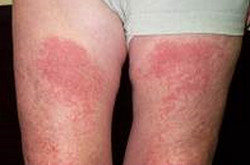
Picture 2: Sun poisoning rash over thighs picture
Image source : typepad
Sun poisoning rash Allergy
Sun poisoning rash has been noted as the skin’s allergic reaction to the extreme exposure to sunlight accompanied by a severe case of sunburn. This condition is also otherwise known as photodermatitis.
Sun poisoning rash Diagnosis
Sun poisoning rash is diagnosed mainly by ruling out other diseases because as stated earlier, its signs and symptoms are very similar to other diseases which are sometimes classified to have a higher degree severity. Furthermore, it also helps in the diagnosis if the patient explains the history of the rash which includes excessive exposure to the sun. Expect that tests to rule out skin cancer will also be done as a precautionary measure because of the rampant diagnosis of melanoma at present.
Sun poisoning rash Treatment
Since sun poisoning is a severe case, the patient should be brought immediately to a hospital or to the aid of a doctor in order for medical treatment to be provided. But first-aid protocols should also be done which include:
Keep the patient hydrated but do not let the affected person drink cold water as this may lead to chills.
If a compress is to be applied, remember to use tepid water and avoid using cold water.
You can also apply creams or lotions that are approved by a pharmacist or a physician because there are some preparations that can cause allergic reactions which can in fact worsen the condition of the skin and can also retard the healing process.
Once the patient is at a medical facility, expect that he/ she will be asked to take in non-steroidal anti inflammatory drugs orally or topically. This type of drug will help relieve the pain, discomfort, fever, and chills experienced by the patient. But its effects are just short term so it needs to be taken in round the clock or as ordered by the attending physician. On the other hand, the application of Aloe Vera gel on the affected area is also very beneficial because research studies have found that it not only has a soothing effect but it also has an anti microbial and healing effect that helps in the repair and regeneration of the skin.
There are also other drugs like steroids and anesthetics but the effects are still under clinical observation because patients who used the said drug types were not able to elicit any change in their current health status and the side effects are also grave.
Sun poisoning rash Natural cure
Although there is no known natural cure for sun poisoning rash, there are natural means and ways in helping the skin to recuperate.
Protect your skin from further sun exposure by using wide brimmed hats, light clothing but can cover the skin, and by applying sunscreen with enough sun protection factor (SPF).
Hydrate your skin by drinking eight to ten glasses everyday.
Eat fruits and vegetable especially those rich in vitamin C, because vitamin C helps in hastening the healing process of the skin.
Sun poisoning rash Remedies
Other remedies for sun poisoning rash include the intake of foods high in antioxidants because it is known that this substance can actually prevent harmful reactions from external and internal sources to occur inside the body. But always still see to it that you should still protect your skin with other options including with the use of sunblock and other sun protective devices.
In severe cases of sun poisoning rash, extreme medical attention is already being placed to action in order to prevent further complications.
References:
hardinmd.lib.uiowa.edu/sunpoisoning.html